
Swiss ingenuity is turning unused railway space into solar power plants
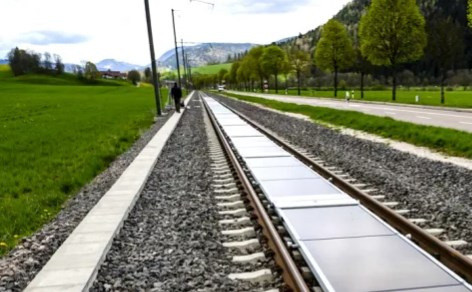
A Swiss start-up called Sun-Ways is testing an innovative way to turn railway tracks into renewable energy infrastructure. Instead of building new solar farms or using additional land, the company installs removable photovoltaic panels in the unused space between railway rails.
The pilot project is located in Buttes, in the canton of Neuchâtel, Switzerland. It covers a 100-metre section of active railway track and includes 48 solar panels with a combined capacity of around 18 kW. The system is expected to generate approximately 16,000 kWh of electricity per year, which is fed into the local power grid.
What makes the technology especially interesting is its removable design. The solar panels can be taken out when railway maintenance is required, allowing the tracks to remain accessible for inspection, repair, and replacement work. This helps address one of the key challenges of placing solar technology on active transport infrastructure.
The project highlights the potential of using existing railway networks to support clean energy production. By making use of space that is already built, maintained, and largely unused, rail corridors could become part of a wider renewable energy system. If the pilot proves safe, reliable, and practical at scale, similar systems could be adopted in other countries and on larger railway networks.
Beyond generating electricity, the concept also shows how everyday infrastructure can be reimagined for a low-carbon future. Railway tracks are already part of the public landscape, so adding solar panels between the rails could create new renewable energy capacity without competing with farmland, housing, or natural areas.